When a warning light illuminates on your dashboard, your vehicle is trying to tell you something. While it’s tempting to ignore a light that “seems fine,” modern vehicles rely on advanced diagnostics to alert you to issues that can affect safety, performance, and long-term reliability. Understanding what these lights mean, and why professional diagnostics matter, can save you time, money, and stress.
Why Dashboard Lights Appear
Your vehicle is equipped with multiple sensors that constantly monitor systems like the engine, transmission, brakes, airbags, and emissions. When a sensor detects something outside normal parameters, it triggers a warning light and stores a diagnostic trouble code (DTC) in the vehicle’s computer. These codes are the starting point of proper diagnostics, not the final answer.
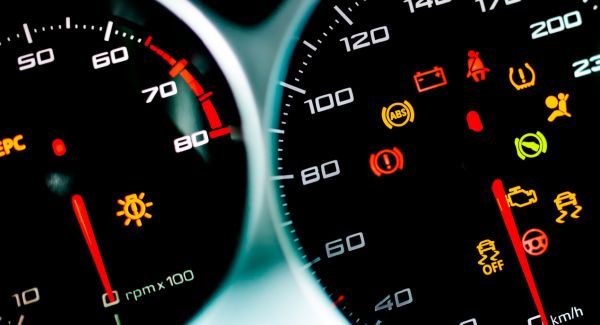
Common Dashboard Lights and What They Could Mean
Not all lights are created equal. Some signal urgency, while others are informational.
- Check Engine Light (CEL):
This is one of the most misunderstood lights. A steady light could indicate anything from a loose gas cap to a failing sensor. A flashing check engine light, however, often signals a severe misfire that can damage your catalytic converter and should be addressed immediately.
- ABS Light:
When this light comes on, your anti-lock braking system may be disabled. You can usually still brake, but you lose the added safety of ABS, especially important during sudden stops or slippery conditions.
- Battery/Charging System Light:
This doesn’t always mean the battery is bad. It could point to issues with the alternator, voltage regulator, or wiring, all of which require professional diagnostics to pinpoint and the team at Smog & Registration can find the issue.
- Oil Pressure Light:
This light is critical. It may indicate low oil pressure due to low oil levels, a failing oil pump, or internal engine wear. Driving with this light on can cause severe engine damage.
- Temperature Warning Light:
An overheating engine could be caused by coolant leaks, a bad thermostat, radiator issues, or cooling fan failures. Diagnostics help identify the exact cause before overheating leads to engine failure.
- Airbag (SRS) Light:
When illuminated, your airbags or seatbelt pretensioners may not deploy properly in an accident. This is a safety issue that should never be ignored.
- Tire Pressure Monitoring System (TPMS) Light:
While often triggered by low tire pressure, it can also indicate faulty sensors or communication issues within the system.
Understanding Diagnostic Codes
Diagnostic trouble codes are typically labeled with a letter and numbers, such as P0300 or C1234.
- P-codes relate to powertrain issues (engine and transmission).
- B-codes refer to body systems like airbags and climate control.
- C-codes involve chassis systems such as ABS and traction control.
- U-codes indicate communication problems between vehicle modules.
While a basic scan tool can read these codes, they don’t tell the whole story. A code identifies where the system detected a problem, not why it happened, which is why we recommend scheduling an appointment with Smog & Registration to get down to the why in your vehicle’s warning light.
Why Professional Diagnostics Matter
When you have diagnostics done professionally, you get more than just a code reading. A trained technician interprets codes alongside live data, sensor readings, service history, and physical inspections. You benefit because:
- You avoid unnecessary part replacements
- You get an accurate root-cause diagnosis
- You protect critical systems from further damage
- You save money by fixing the real issue the first time
Don’t Ignore the Signs
If a dashboard light comes on, your vehicle is asking for attention. By choosing professional diagnostics at Smog & Registration, you ensure that warning lights are properly decoded and addressed before they turn into major repairs. When it comes to your safety and your vehicle’s health, guessing is never as effective as accurate diagnostics.