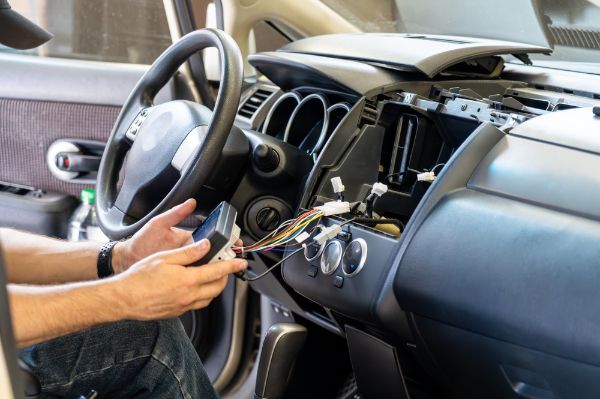
Your vehicle's electrical system is responsible for far more than simply starting the engine. Modern vehicles rely on a complex network of electrical components to power everything from the ignition system and engine controls to safety features, lighting systems, and entertainment technology. When an electrical problem develops, it can affect your vehicle's reliability, performance, comfort, and safety.
Understanding the importance of vehicle electrical system repairs can help you recognize problems early and avoid unexpected breakdowns.
What Is a Vehicle Electrical System?
The vehicle electrical system consists of interconnected components that generate, store, distribute, and regulate electrical power throughout your vehicle. Every time you start your vehicle, operate your headlights, use your air conditioning controls, or charge your phone, the electrical system is at work.
Key electrical components include:
- Battery
- Alternator
- Starter motor
- Wiring harnesses
- Fuses
- Relays
- Sensors
- Control modules
- Ground connections
- Switches and connectors
When one component fails, it can create problems throughout the entire electrical system.
Vehicle Systems Supported by the Electrical System
Your electrical system powers and supports numerous vehicle functions and components, including:
Engine Management System: Modern engines rely on electronic sensors, control modules, fuel injectors, ignition coils, and engine computers to maintain proper performance and efficiency.
Starting System: The battery, starter motor, ignition switch, and related wiring work together to start your vehicle every time you turn the key or press the start button.
Charging System: The alternator continuously recharges the battery and supplies power to electrical accessories while the engine is running.
Lighting Systems: Your vehicle’s headlights, taillights, brake lights, turn signals, interior lights, fog lights, and daytime running lights all depend on a properly functioning electrical system.
Climate Control Systems: Heating, air conditioning, blower motors, and electronic climate control systems require electrical power to operate efficiently.
Safety Systems
Critical safety features rely heavily on electrical components, including:
- ABS brakes
- Traction control
- Stability control
- Airbag systems
- Backup cameras
- Parking sensors
- Collision avoidance systems
Convenience Features
Modern convenience features are also electrically powered, such as:
- Power windows
- Power locks
- Power seats
- Sunroofs
- Infotainment systems
- Navigation systems
- USB charging ports
- Keyless entry systems
When electrical issues develop, any of these systems can be affected.
Common Vehicle Electrical System Repairs
Electrical problems can occur due to age, corrosion, wear, damaged components, or environmental factors. Some of the most common electrical repairs include:
Battery Testing and Replacement
Your battery stores the power needed to start the engine and support electrical systems when the engine is not running.
Signs of a failing battery may include:
- Slow engine cranking
- Clicking sounds when starting
- Dim lights
- Frequent jump-starts
- Battery warning light
Replacing a worn-out battery before complete failure helps prevent inconvenient breakdowns.
Alternator Repair and Replacement
The alternator generates electricity while the engine runs and recharges the battery.
Common symptoms of alternator failure include:
- Battery warning light illumination
- Dim or flickering lights
- Dead battery
- Electrical accessories malfunctioning
- Burning smells
Alternator repairs and replacements restore proper charging system performance.
Starter Motor Repairs
The starter motor is responsible for turning the engine over during startup.
Signs of starter problems may include:
- Clicking noises
- Intermittent starting issues
- Engine failing to crank
- Complete no-start conditions
Professional diagnostics can determine whether repair or replacement is necessary.
Wiring Repairs
Vehicle wiring harnesses connect virtually every electrical component in your vehicle. Over time, wiring can become damaged by:
- Corrosion
- Rodents
- Vibration
- Heat exposure
- Moisture intrusion
- Collision damage
Faulty wiring can create intermittent electrical issues that are often difficult to diagnose without specialized equipment.
Fuse and Relay Replacement
Fuses and relays protect electrical circuits from overload and help distribute power throughout the vehicle.
Blown fuses or failed relays may cause:
- Power accessory failures
- Lighting problems
- Starting issues
- Non-functioning electronics
Replacing damaged fuses and relays can often restore proper system operation quickly.
Sensor and Module Diagnostics
Modern vehicles contain dozens of sensors and control modules that communicate with one another to manage vehicle performance.
Common components include:
- Engine control modules (ECM)
- Body control modules (BCM)
- Transmission control modules (TCM)
- Oxygen sensors
- Wheel speed sensors
- Mass airflow sensors
When these components malfunction, diagnostic testing helps identify the source of the problem.
Warning Signs of Electrical System Problems
Electrical issues can present themselves in many ways. Warning signs to watch for include:
- Dim or flickering lights
- Battery warning light
- Difficulty starting the vehicle
- Dead battery
- Electrical burning odors
- Frequent blown fuses
- Power accessories not working
- Dashboard warning lights
- Intermittent electrical failures
- Malfunctioning sensors
- Charging system problems
Addressing these symptoms early can help prevent more extensive repairs.
Why Professional Electrical Diagnostics Matter
Electrical problems are often more complex than mechanical issues because a single failure can affect multiple systems. The professional technicians at Smog & Registration use advanced diagnostic tools to test circuits, identify faults, and pinpoint the exact cause of electrical concerns.
Accurate diagnostics help prevent unnecessary parts replacement and ensure repairs address the root cause of the problem.
Protect Your Vehicle with Electrical System Maintenance and Repairs
Your vehicle electrical system powers nearly every aspect of your driving experience. From starting the engine and charging the battery to operating safety systems and convenience features, every component relies on a healthy electrical network.
If you're experiencing starting problems, battery issues, charging concerns, lighting failures, or other electrical symptoms, prompt vehicle electrical system repairs can help restore reliability, improve performance, and keep your vehicle operating safely for miles to come.